
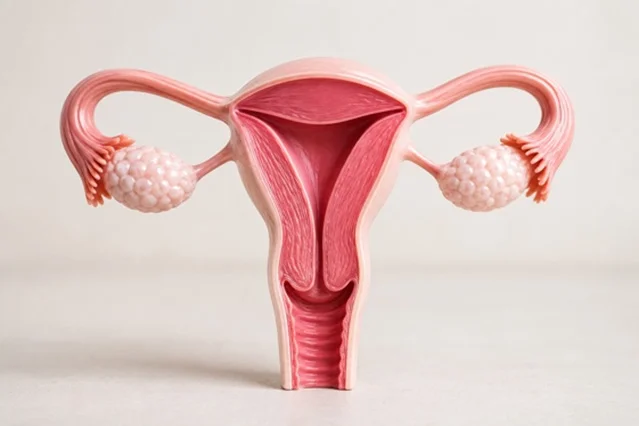
When it comes to fertility, we often hear about eggcount (often estimated using the common lab test, AMH), but egg quality is equally important. Egg quality largely refers to the health of the egg, which naturally declines with age.
While we cannot stop reproductive aging or increase the number of eggs we have, we can influence the environment in which our eggs develop. Incorporating strategies to improve the eggs’ environment is something that I discuss with almost every patient that is trying (or will be trying soon) to conceive.
Recently, I was listening to a podcast by fertility specialist Natalie Crawford, MD, who shared insights on this very topic highlighting many of my favorite recommendations for egg quality support. If you’re a podcast listener and are seeking to improve your egg quality, I highly recommend you check out her episode of As A Women from August 11, 2026.
Some of the tips Dr. Crawford mentions, and that I often endorse include:
Reduce Inflammation
Chronic inflammation can affect hormone signaling, metabolic health, and the reproductive environment. Supporting a healthy inflammatory balance starts with the basics:
- Eat plenty of colorful vegetables and fruits
- Prioritize adequate protein and fiber
- Include healthy fats such as olive oil, avocado, nuts, seeds, and fatty fish
- Minimize highly processed foods and added sugar
- Address underlying sources of inflammation, including metabolic or digestive issues
Support Mitochondrial Health
Eggs require tremendous amounts of cellular energy as they mature and undergo the complex process of chromosomal division. This makes mitochondrial health particularly important.
CoQ10 has received considerable attention for its potential role in supporting mitochondrial function and egg quality. Research suggests it may improve some measures of ovarian response and egg or embryo quality, particularly in women undergoing fertility treatment, although it has not been proven to guarantee improved pregnancy or live-birth rates. The appropriate dose and form of CoQ10 should be individualized based on your age, ovarian reserve, medications, and fertility goals.
Reduce Environmental Toxin Exposures
We cannot completely eliminate exposure to endocrine-disrupting chemicals, but we can reduce unnecessary exposure.
Start with simple changes:
- Avoid heating food in plastic
- Use glass or stainless-steel containers when practical
- Reduce use of disposable plastic water bottles
- Consider fragrance-free or lower-toxin personal care and household products
Prioritize Sleep and Movement
Sleep is an often-overlooked component of reproductive health. Aim for 7–9 hours of consistent, restorative sleep and maintain a regular sleep-wake schedule when possible. For those that have trouble sleeping, melatonin can be a dual-purpose supplement, supporting better sleep and reducing inflammation as it is a powerful antioxidant. There is a strong body of research that supports the use of melatonin in those that have infertility. Typically, only low doses are needed.
Exercise is also beneficial for metabolic health, insulin sensitivity, inflammation, and overall fertility. A combination of strength training, walking or moderate aerobic exercise, and daily movement is a great foundation. However, more exercise is not always better. Excessive exercise combined with inadequate calorie intake can disrupt ovulation and menstrual cycles. Fertility thrives on balance, adequate nutrition, and metabolic health.
Manage Blood Sugar and Focus on Nutrition
Insulin resistance and metabolic dysfunction can affect reproductive hormones and ovulation, particularly in women with PCOS.
Supporting healthy blood sugar regulation can include:
- Eating adequate protein and fiber
- Pairing carbohydrates with protein, fat, or fiber
- Choosing minimally processed carbohydrates
- Walking after meals
- Strength training
- Getting adequate sleep
You don’t need to completely eliminate carbohydrates to support fertility.
Inositol is a great supplement to support reducing insulin resistance and balancing blood sugars. As an added benefit, inositol can help calm anxiety and support stress management.
Think in Terms of Months, Not Days
One important concept in egg-quality optimization is that an egg doesn’t suddenly become healthy a few days before ovulation. Follicles undergo a lengthy process of development, which is why preconception preparation is best approached months before trying to conceive. This is also why lifestyle changes and targeted nutritional support should be viewed as long-term investments rather than quick fixes.
If you’re considering pregnancy or actively trying to get pregnant, start with these five priorities, and remember, it’s not about perfection – try to follow these guidelines 80-90% of the time, and your eggs will thank you!
Interested in optimizing your fertility? Dr. Amanda Lorch can help you create a personalized preconception plan based on your health history, cycle, laboratory findings, nutrition, and fertility goals.